
Aspen
The historic town at the top of the valley, with the dining, culture and four ski mountains.

Roaring Fork Valley Guide
Photo by Pierre Hollard, CC BY-SA 3.0, via Wikimedia Commons
Quick answer
Carbondale is a town of roughly 6,500 people, 30 miles down-valley from Aspen, at the confluence of the Roaring Fork and Crystal rivers beneath Mount Sopris. It is a state-certified Creative District with a bike-everywhere culture.
After 11+ years in the Roaring Fork Valley, with family roots here going back to the late 1970s, I’ve watched every town in this valley evolve, and Carbondale is the one that kept its soul while doing it. It’s also the town where the valley’s lifestyle math works best for the most people. Here’s the honest version.
Carbondale sits 30 miles down-valley from Aspen and about 12 miles up-valley from Glenwood Springs, at the confluence of the Roaring Fork and Crystal rivers, with a year-round population of roughly 6,500. The town has one boss, and it isn’t the mayor: Mount Sopris, 12,965 feet of freestanding mountain that towers over the valley floor and shows up in basically every photograph, painting, and beer label produced within twenty miles.
Two numbers explain a lot about daily life here. The first is the elevation: about 6,200 feet, nearly two thousand feet lower than Aspen. That means a noticeably milder climate, more sun, longer shoulder seasons, and a real growing season; Carbondale is ranch and garden country in a way the upper valley simply can’t be. The second is the highway junction: Carbondale sits where Highway 133 meets Highway 82, making it the gateway to the Crystal River Valley, Redstone, Marble, and McClure Pass, some of the most beautiful and least-trafficked country in Colorado.
The town’s roots are potatoes and cattle, not silver and skiing, and that working heritage still shapes its personality. Potato Day, the town’s harvest festival, has been running for well over a century.
Carbondale is the valley’s arts town, and that’s not a marketing line; it’s a state-certified Creative District with the calendar to back it up. First Fridays fill Main Street monthly. Mountain Fair has taken over Sopris Park every July for more than fifty years and functions as the town’s high holiday. The 5Point Adventure Film Festival, Thunder River Theatre, Carbondale Arts, and KDNK community radio give a town of 6,500 a cultural metabolism that embarrasses cities twenty times its size. The restaurant scene on and around Main Street is legitimately good, the kind of good that pulls Aspen residents thirty miles down-valley for dinner.
The daily texture is what sells people, though. Carbondale is a bike-everywhere town stitched together by the Rio Grande Trail, with the Red Hill trail network rising straight off the 133 roundabout and the Prince Creek and Crown trails on the flanks of Sopris making it one of Colorado’s quietly great mountain biking addresses. The Roaring Fork’s Gold Medal water runs along the town’s edge; the Crystal runs through its neighborhoods.
Honest tradeoffs: this is no longer the cheap town. Carbondale’s secret got out years ago, and pricing has climbed accordingly, though dollars still go meaningfully further than in Basalt or anywhere up-valley. The commute to Aspen is real (30 to 40 minutes by car, with Highway 82 traffic at peak times that locals plan their lives around), offset by RFTA’s VelociRFTA bus rapid transit, which is the closest thing rural America has to real mass transit. And the town’s growth debates are constant and sincere; people here fight about development precisely because they love what’s at stake.
The historic core: a walkable grid of older homes, cottages, and infill around Main Street, where you can live a genuinely car-light life with coffee, dinner, the park, and First Friday all within a few blocks. Inventory here is scarce, beloved, and contested when it appears. If Old Town is your target, you want to know about listings the morning they go live, and sometimes before.
The master-planned neighborhood on the town’s south side along the Crystal River, wrapped around the Jay Morrish golf course with Sopris filling the sky. RVR offers what’s rare in this valley: newer-built single-family homes and townhomes, a pool and amenity club, parks, and a true neighborhood feel, all walkable to Main Street. It’s a neighborhood I know well, and the nuances matter: sub-areas, golf frontage versus river proximity, and HOA particulars all move value. Browse current River Valley Ranch and Carbondale listings
Technically between Carbondale and Glenwood Springs along Highway 82, but part of every Carbondale conversation: a gated private club community built around a Jack Nicklaus and Jack Nicklaus II co-designed course, with the Roaring Fork running through it. Aspen Glen is the down-valley answer to upper-valley club living, with estate homes, club amenities, and water on a remarkable share of the holes. Membership structures and transfer terms are part of the purchase math here, and they’re exactly the kind of detail I will walk buyers through before an offer.
A classic community along Highway 82 east of town on the banks of the Roaring Fork, known for its private fishing access and its friendly nine-hole par 3 course. Townhomes and homes here offer one of the valley’s most underrated combinations: river lifestyle at a relative value, minutes from both Carbondale and Basalt.
The small historic neighborhood tucked at the northwest corner of town near the Crystal River confluence, older and funkier, with a fierce local identity and the occasional property that surprises everyone when it trades.
The mesa country above and east of town: acreage properties, horse setups, big light, and the panoramic Sopris views that the valley floor can’t offer. It’s county living (wells, septic, gravel roads in places) with town fifteen minutes away, and it’s where a lot of long-time valley residents end up when they want sky. Straddles the Carbondale and El Jebel sides; I cover it from both. Living in Basalt
Live numbers belong in a snapshot, updated from MLS data rather than baked into an evergreen page:
Market snapshot
As of . Source: Aspen/Glenwood Springs MLS (AGMLS)
All information deemed reliable but not guaranteed. Listings information obtained through IDX (Internet Data Exchange). Information being provided is for personal, noncommercial use and may not be used for any purpose other than to identify prospective properties for purchasing. © Copyright 2026 by Aspen/Glenwood Springs MLS, Inc. ALL RIGHTS RESERVED WORLDWIDE. No part of this publication may be reproduced, adapted, translated, stored in a retrieval system or transmitted in any form or by any means, electronic, mechanical, photocopying, recording, or otherwise, without the prior written consent of the Aspen/Glenwood Springs MLS, Inc.
What stays true across cycles: Carbondale is the valley’s equilibrium point, the town where upper-valley demand meets down-valley supply, and it absorbs pressure from both directions. When Aspen and Basalt run hot, buyers cascade here; when the broader market cools, Carbondale’s year-round economy and genuine town fabric hold value better than resort-dependent addresses. The product mix is unusually wide for one zip code: historic cottages, RVR’s planned-community inventory, club estates at Aspen Glen, and Missouri Heights acreage, which means “the Carbondale market” is really four or five markets wearing one name. Pricing a home here, or writing a winning offer, depends on knowing which of those markets you’re actually in.
Pound for pound, Carbondale is the golf capital of the Roaring Fork Valley, with three very different ways to play under the same mountain.
River Valley Ranch is the public flagship: an 18-hole Jay Morrish design of more than 7,200 yards, par 72, where the Crystal River cuts across four holes (including a first tee that has rattled plenty of confident visitors) and Mount Sopris owns the horizon. It’s earned repeated top-10 rankings among Colorado’s public courses, and it’s a true daily-fee course, no membership required. For homeowners, the course is the neighborhood’s centerpiece; golf frontage at RVR is one of the valley’s best lifestyle-per-dollar plays.
Aspen Glen is the private counterpart: the Nicklaus and Nicklaus II co-design winding along and across the Roaring Fork, with water in play on most of the course and a full club life (dining, tennis, fitness) behind the gates. As with every club community in this valley, the real estate and the membership are intertwined, and understanding what conveys with a purchase is step one of any Aspen Glen conversation.
The Ranch at Roaring Fork par 3 rounds it out: nine relaxed holes with enough water to keep you honest, perfect for evening rounds, kids learning the game, and anyone who thinks golf should occasionally take ninety minutes instead of five hours.
Carbondale pricing is the valley’s middle path: meaningfully below Basalt and far below the upper valley, meaningfully above Glenwood Springs and New Castle. Daily costs follow the same gradient; the grocery run, the contractor bid, and the dinner out all get friendlier as you move down-valley. The Roaring Fork School District serves the town (more below), childcare exists but competes valley-wide demand, and the elevation dividend is real: lower heating loads, longer seasons, and gardens that actually produce. For the full down-valley comparison: Living in Glenwood Springs · Living in New Castle. For the upper-valley contrast: Living in Aspen · Living in Snowmass Village · Living in Basalt.
Carbondale sits on the valley’s spine. RFTA’s VelociRFTA BRT runs up and down Highway 82 with park-and-ride service from town, the Rio Grande Trail offers a car-free (and genuinely commutable, for the committed) path the length of the valley, and the drive is roughly 30 to 40 minutes to Aspen, 15 to Glenwood Springs, and about 3 hours to Denver. The airport at Aspen (ASE) is around half an hour up-valley; Eagle County’s airport (EGE) is a common alternative about an hour away over Cottonwood Pass or via Glenwood Canyon.
Carbondale is served by the Roaring Fork School District, with elementary, middle, and high schools in town, alongside notable alternatives: a community charter school, a Waldorf school in the mid-valley, and Colorado Rocky Mountain School, the independent boarding-and-day school whose ranch campus has been part of Carbondale’s identity since the 1950s. As I tell every relocating family: visit campuses and talk to the schools directly; I’m glad to make introductions, and these decisions deserve firsthand research rather than internet rankings.
The Crystal River Valley is Carbondale’s backyard superpower: Redstone’s coke ovens and castle, Marble’s quarry country, Avalanche Creek, and McClure Pass in fall color, all starting ten minutes from Main Street on Highway 133. Add the Thomas Lakes trail up Sopris itself, Gold Medal fishing in two directions, Potato Day, the Christmas tree lighting that the whole town actually attends, and a calendar of small traditions that make newcomers feel like locals faster than anywhere else in the valley.
The framing I offer relocating buyers: Carbondale is the valley’s center of gravity. Aspen and Snowmass are the resort economy; Glenwood and New Castle are the value end; Basalt is the river town in between. Carbondale is where the valley’s year-round life concentrates: the arts, the agriculture, the trades, the families, and increasingly the remote professionals who could live anywhere and chose the town with a real Main Street under a 13,000-foot mountain. If your question is “where do people who live here full-time actually want to live,” this town is on almost everyone’s shortlist.
Quick answers
For year-round valley life, it's arguably the best balance in the Roaring Fork Valley: a real community with its own economy and culture, a milder climate at 6,200 feet, direct access to world-class recreation, and housing that, while no longer cheap, still works for more budgets than the upper valley. The honest tradeoffs are the Highway 82 commute if you work in Aspen and pricing that has risen with the town's reputation.
About 30 miles, which translates to 30 to 40 minutes by car depending on season and time of day, or a relaxed ride on RFTA's bus rapid transit. Plenty of Aspen's workforce and a growing share of its professionals make that trip daily in both directions.
Generally yes on both counts, with the usual caveat that Carbondale contains multiple markets: an Old Town cottage, an RVR golf-frontage home, and an Aspen Glen estate price like three different towns. Current numbers move constantly; the snapshot above is refreshed daily from MLS data, and I can pull live data for any property type the day you ask.
Mount Sopris, first and always. Beyond the mountain: a state-certified creative district and arts calendar (Mountain Fair, First Fridays, 5Point Film Festival), ranching and farming heritage going back to the potato days, standout golf at River Valley Ranch and Aspen Glen, and a Main Street dining scene that outperforms the town's size.
Depends what you're optimizing for. Carbondale buys you the arts town, the tighter community fabric, and a shorter run to Aspen, at a higher price. Glenwood Springs buys more house, the hot springs, I-70 access, and the valley's biggest service economy. Honest comparison here: Living in Glenwood Springs.
Compare the valley
The historic town at the top of the valley, with the dining, culture and four ski mountains.
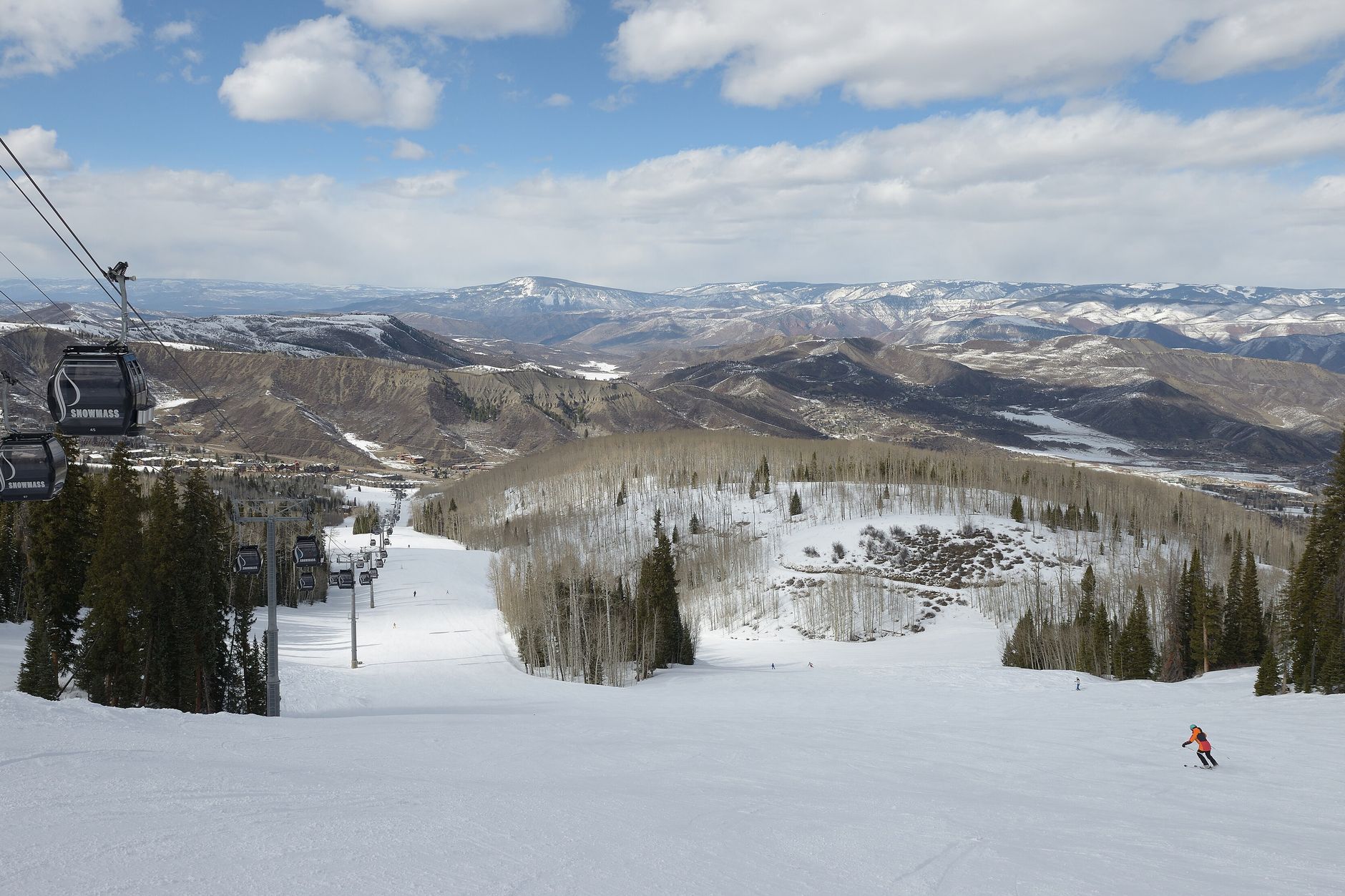
A purpose-built mountain village with ski-in, ski-out access and a quieter pace.
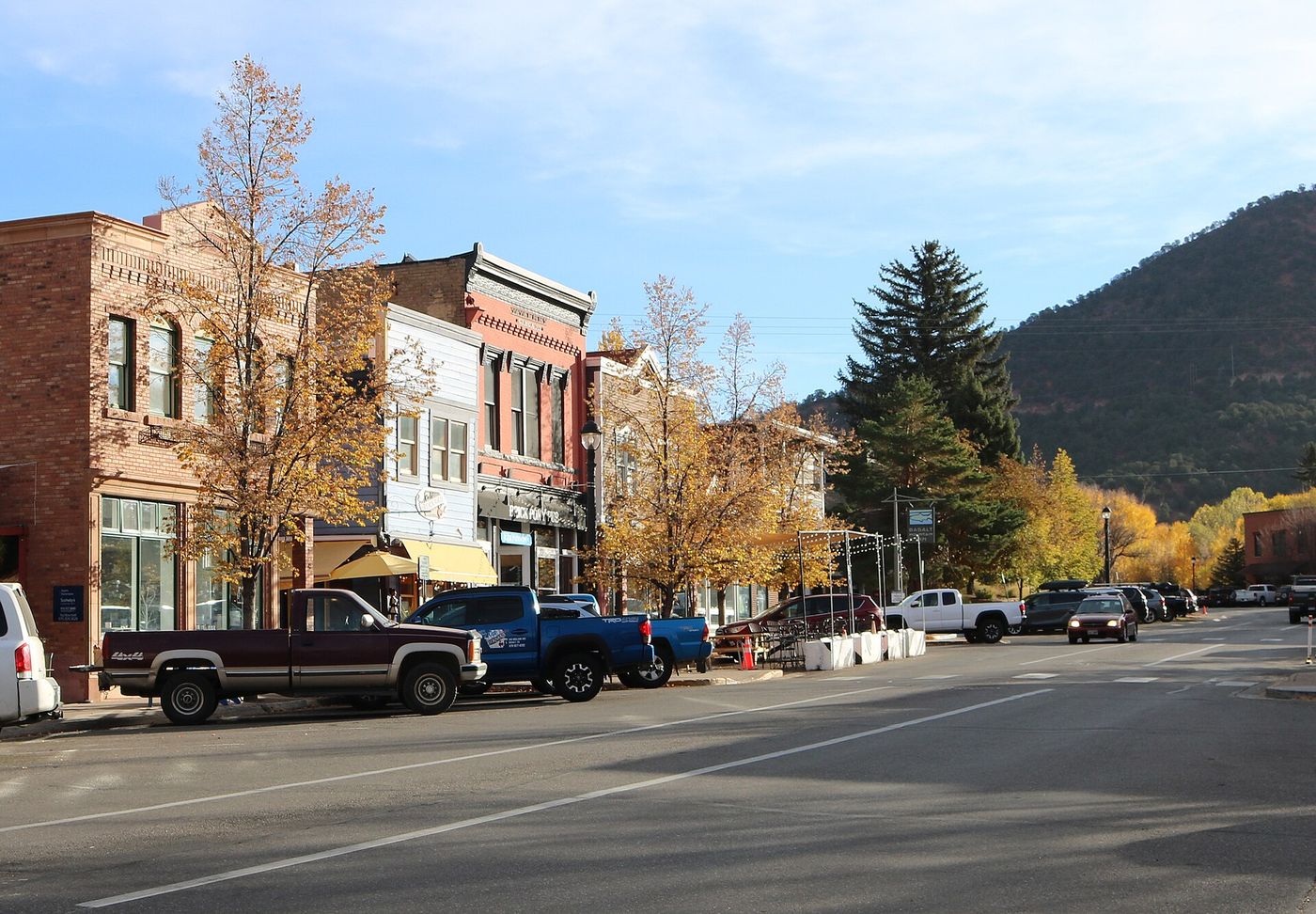
Two Gold Medal rivers, a walkable old town and the shortest commute to Aspen.
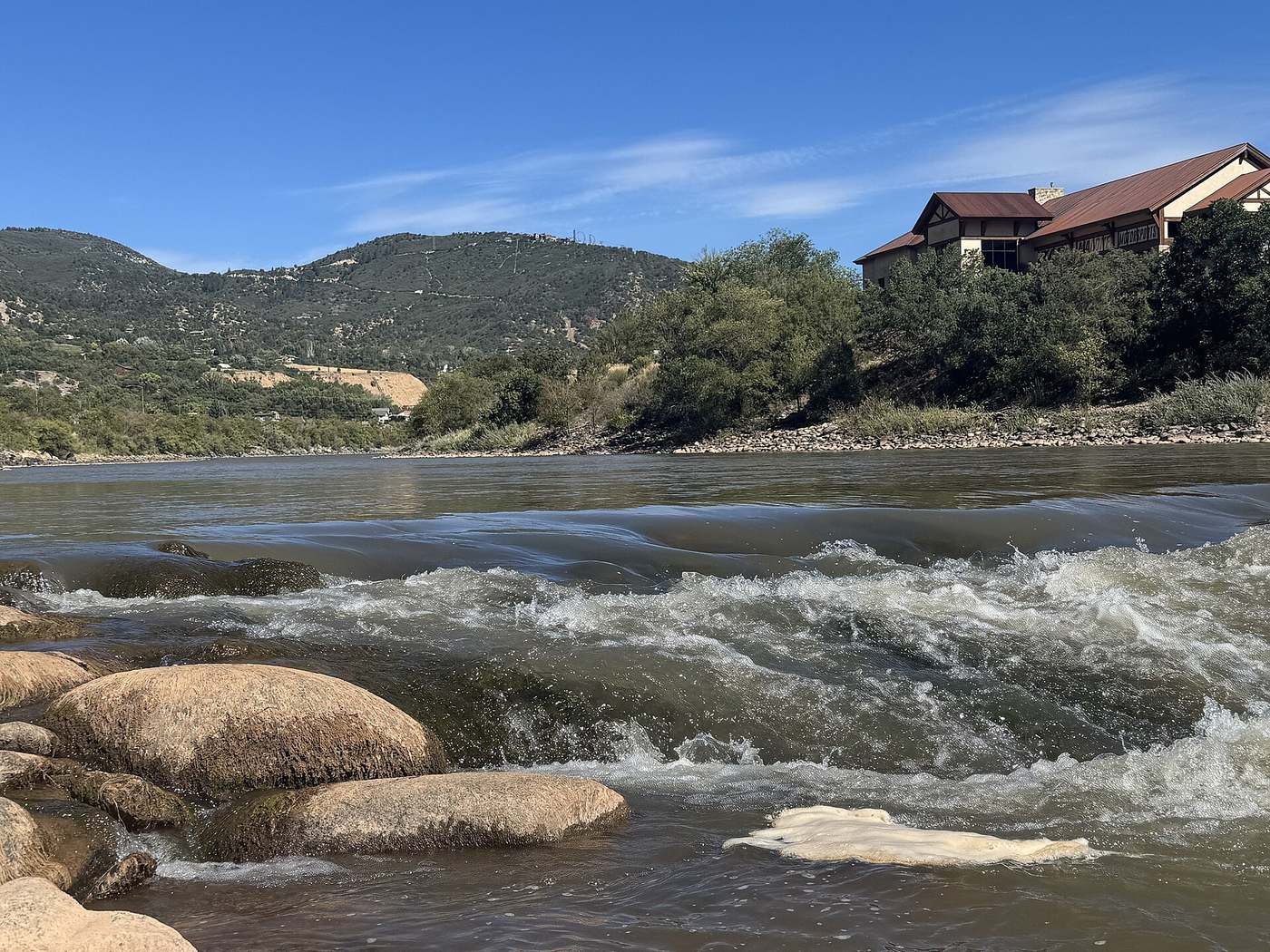
The valley's working hub, with hot springs, a hospital and I-70 access.

A former coal town on the Colorado River with newer homes and a golf community.
Ready when you are
My office is at 256 Main Street, and this market is the one I watch closest of all: live MLS data daily, neighborhood by neighborhood. Browse current Carbondale listings, or stop by and I’ll give you the honest version, the same one you just read.
Samuel Pickus is an Aspen real estate agent and Managing Broker of The Aspen Realtor LLC, helping buyers and sellers in Aspen, Snowmass Village, and beyond. Request a free home valuation built from local comps.
970-404-9542
sam.pickus@theaspenrealtor.com
CO License #100092960Resort & Second-Home Property Specialist (RSPS)
All information deemed reliable but not guaranteed. Listings information obtained through IDX (Internet Data Exchange). Information being provided is for personal, noncommercial use and may not be used for any purpose other than to identify prospective properties for purchasing.
© Copyright 2026 by Aspen/Glenwood Springs MLS, Inc. ALL RIGHTS RESERVED WORLDWIDE. No part of this publication may be reproduced, adapted, translated, stored in a retrieval system or transmitted in any form or by any means, electronic, mechanical, photocopying, recording, or otherwise, without the prior written consent of the Aspen/Glenwood Springs MLS, Inc.
Terms of Service & Privacy Policy | Cookie Policy | Cookie Preferences | Property Listings | Sitemap | Accessibility | Photo Credits
© Copyright 2026 The Aspen Realtor LLC. All Rights Reserved. CO License #100092960.
The Aspen Realtor LLC is committed to the letter and spirit of the U.S. policy for achieving equal housing opportunity. We do not discriminate on the basis of race, color, religion, sex, handicap, familial status, national origin, or any other protected class under Colorado law.