
Aspen
The historic town at the top of the valley, with the dining, culture and four ski mountains.

Roaring Fork Valley Guide
Photo by Jeffrey Beall, CC BY 4.0, via Wikimedia Commons
Quick answer
New Castle is a former coal town of about 5,000 people on the Colorado River along I-70, about 12 miles west of Glenwood Springs. At roughly 5,500 feet it has the lowest and mildest elevation of any town in this guide.
Every valley has a town where the math still works, and for the Roaring Fork region, that town is New Castle. My family has been in this valley since the late 1970s, and over my 11+ years working every market from Aspen’s Core to the I-70 corridor, I’ve watched the same story repeat: a household runs the numbers in Aspen, then Basalt, then Carbondale, then Glenwood, and then discovers that twelve minutes past Glenwood sits a genuine small town with newer homes, a golf course, real schools, and prices that let them keep a life alongside the mortgage. Here’s the honest version of the valley’s western doorstep.
New Castle sits on the Colorado River along I-70, about 12 miles west of Glenwood Springs, with a population around 5,000 at roughly 5,500 feet, the lowest and mildest elevation of any town in this guide. Geographically it belongs to the Colorado River corridor rather than the Roaring Fork Valley proper, and I’ll be straight about what that means: this is a bedroom-community relationship with the valley, traded deliberately for attainability.
The town’s name and its best story both come out of the ground. New Castle was a coal town, named for Newcastle upon Tyne in England, and its mining era ended in tragedy and a permanent oddity: after deadly mine explosions around the turn of the last century, coal seams in the ridge above town caught fire, and parts of them have been burning underground ever since. Locals call it Burning Mountain, snow melts in telltale patches on the ridge in winter, and the town long ago embraced the quirk; the annual Burning Mountain Festival is the summer calendar’s anchor. The ridge itself, the Grand Hogback, is the dramatic tilted spine of rock marking where the Rockies meet plateau country, and it gives New Castle a backdrop most towns this affordable could never afford.
New Castle today is two towns sharing one name, and both are likable. Old Town, the historic grid by the river and the original Main Street, keeps the coal-era bones: modest Victorians, mature trees, a small downtown with local restaurants and the kind of post-office sociability that has disappeared from bigger places. The newer town, climbing the Elk Creek drainage and the benches above, is where most of the growth lives: Castle Valley Ranch’s master-planned neighborhoods and the Lakota Canyon golf community, with the parks, trails, and newer construction that families relocating from pricier markets are usually shocked to find at these numbers.
Daily life is honest and unhurried. The Colorado River runs along the south edge of town for fishing and floating. The Colorow trail system climbs straight off Castle Valley for mountain biking and sunset hikes along the Hogback. North of town, the Buford Road heads toward the Flat Tops, some of Colorado’s biggest and least crowded high country, which makes New Castle a quiet base camp for hunters, anglers, and anyone who prefers their wilderness without a parking reservation.
Honest tradeoffs: the commute defines the lifestyle. Glenwood Springs is an easy 12 to 15 minutes, and that’s where many residents work and most errands happen. Aspen is more than an hour, which is why New Castle works best for households anchored down-valley (the hospital, the schools, the trades, Garfield County, remote work) rather than daily up-valley commuters, though RFTA’s Grand Hogback bus route connects the I-70 towns to Glenwood and the valley system beyond. Dining and nightlife are modest; you’ll trade restaurant variety for house. And I-70 itself is both amenity and neighbor; some neighborhoods hear it, and walking a property at different hours is part of any honest New Castle showing.
The historic riverside grid: character homes on mature streets, walkable to the original downtown, with the occasional beautifully restored miner’s Victorian and genuine small-town texture. Inventory is limited and personality-rich; these homes sell on charm.
The engine of modern New Castle: a large master-planned community up the Elk Creek valley with single-family homes, townhomes, parks, and trail connections, built in phases across the last few decades. This is where the corridor’s best combination of newer construction, family infrastructure, and price lives, and it’s the neighborhood that most appeals to first-time and trade-up buyers priced out of Glenwood.
The golf community wrapped around the Jim Engh course (more below): homes and homesites threaded through dramatic canyon-and-bench terrain above town, many with fairway frontage or big Hogback views. Lakota offers the corridor’s signature lifestyle product, golf-community living at a fraction of what the phrase costs anywhere up-valley.
Beyond town up Elk Creek and toward the Flat Tops country: rural residential, acreage, and horse properties for buyers whose priorities are land, quiet, and a tank of gas to everything else. Wells, septic, and county roads come with the territory; so do elk in the yard.
East of town along the Colorado: established communities and parks offering some of the area’s most attainable entry points, with quick I-70 access in both directions.
Live numbers belong in a snapshot, updated from MLS data rather than baked into an evergreen page:
Market snapshot
As of . Source: Aspen/Glenwood Springs MLS (AGMLS)
All information deemed reliable but not guaranteed. Listings information obtained through IDX (Internet Data Exchange). Information being provided is for personal, noncommercial use and may not be used for any purpose other than to identify prospective properties for purchasing. © Copyright 2026 by Aspen/Glenwood Springs MLS, Inc. ALL RIGHTS RESERVED WORLDWIDE. No part of this publication may be reproduced, adapted, translated, stored in a retrieval system or transmitted in any form or by any means, electronic, mechanical, photocopying, recording, or otherwise, without the prior written consent of the Aspen/Glenwood Springs MLS, Inc.
What stays true across cycles: New Castle is the pressure-release valve of the entire valley system. Every dollar of appreciation in Aspen, Basalt, Carbondale, and Glenwood pushes another household west along I-70, and New Castle catches them first, which is why this market has quietly been one of the corridor’s most consistent performers. The buyer pool is working households, first-timers, and value-focused families, which makes the market sensitive to interest rates in a way the cash-heavy upper valley isn’t; rate cycles create real windows here for prepared buyers. And the product skews newer than anywhere else in this guide, an underappreciated fact: much of New Castle’s housing stock postdates the mid-1990s, meaning fewer surprise systems and renovation budgets than the valley’s older towns.
New Castle has one course, and it’s a conversation piece: Lakota Canyon Ranch, an 18-hole Jim Engh design that opened in 2004, par 72 at just over 7,100 yards, climbing and plunging through canyon terrain beneath the Hogback. Engh’s designs are famously dramatic (he’s the same architect behind the Snowmass Club course up-valley), and Lakota is him fully off the leash: wild elevation changes, muscular bunkering, and views that make you forget your scorecard. It’s open to public play, which means New Castle residents get a destination-caliber golf experience as their home course.
For buyers, Lakota Canyon is the affordability story in miniature: fairway-frontage and view homes here cost what a garage costs in some up-valley golf communities. The usual golf-community diligence still applies (HOA terms, what course access does and doesn’t convey, lot position), and it’s diligence I run on every Lakota property before a client writes.
This is the value chapter of the whole valley story. New Castle delivers the corridor’s best house-per-dollar among towns with real amenities, and the daily cost of living follows: Garfield County taxes, down-valley pricing on services, and the mild 5,500-foot climate trimming the heating bills upper-valley owners know too well. The honest line item to add back is transportation: if your life runs up-valley, the commute is a real cost in time and fuel, and I’d rather you budget it honestly than discover it. The full gradient, for comparison: Living in Glenwood Springs · Living in Carbondale · Living in Basalt · Living in Snowmass Village · Living in Aspen.
I-70 is the spine: Glenwood Springs in 12 to 15 minutes, Eagle County’s airport (EGE) about an hour east, Grand Junction about an hour west, Denver around 3 hours. RFTA’s Grand Hogback route connects New Castle to Glenwood Springs, where the valley’s bus rapid transit takes over for the Highway 82 corridor. Amtrak’s daily Zephyr is one town away in Glenwood. Within town, the trail network connects Castle Valley to Old Town and the river.
A detail that matters and that listing portals routinely get wrong: New Castle is served by Garfield County School District Re-2, not the Roaring Fork district that covers Glenwood, Carbondale, and Basalt. Elementary and middle schools sit in town, with high schoolers attending Coal Ridge High School just down the corridor. As with every town in this guide: visit the schools, talk to them directly, and I’m glad to make introductions; firsthand research beats internet rankings every time.
Burning Mountain Festival in early summer, when the whole town turns out. The Colorow trails at golden hour, with the Hogback glowing. Float and fishing access on the Colorado. The Flat Tops out the back door via Buford Road, including some of the state’s best hunting country. Harvey Gap and Rifle Gap reservoirs a short drive west for flat water. And the small-town calendar (tree lightings, parades, school games) that’s easy to dismiss until you live somewhere that actually has one.
The framing I offer relocating buyers: New Castle is where you stop paying for proximity you don’t use. If your daily life is Aspen, buy up-valley and pay for the minutes. If your life is Glenwood and westward, or remote, or anchored by schools and a mortgage you want to actually enjoy living with, New Castle is the rational answer, and unlike most rational answers, it comes with a Jim Engh golf course, a burning mountain, and the Flat Tops out the back door. Down the road, Silt and Rifle continue the value gradient; up the valley, every town in this series raises the price and the proximity together.
Quick answers
For value-focused households, it's one of the best answers in the region: newer housing stock, a real small town with its own festivals and trails, a public Jim Engh golf course, and Glenwood's full services 12 minutes away. The honest tradeoffs are the long run to Aspen, modest dining options, and I-70 as a neighbor in some spots.
Glenwood Springs is about 12 miles and 12 to 15 minutes on I-70. Aspen is roughly 55 miles and more than an hour. New Castle works best when your daily life points down-valley or stays home.
Coal seams in the ridge above town ignited after mine disasters more than a century ago and have smoldered underground ever since; patches of the ridge stay snow-free in winter. The town named its summer festival after the phenomenon, which tells you something about New Castle's sense of humor.
Relative to the Roaring Fork Valley, yes: it's consistently the most attainable town in this series, with the corridor's newest average housing stock. Relative to national averages, it's still western Colorado. Current numbers move constantly; the snapshot above is refreshed daily from MLS data, and I can pull live data the day you ask.
Garfield County School District Re-2, with elementary and middle schools in town and Coal Ridge High School nearby. Note this differs from Glenwood, Carbondale, and Basalt, which sit in the Roaring Fork district; families comparing towns should compare districts firsthand.
Compare the valley
The historic town at the top of the valley, with the dining, culture and four ski mountains.
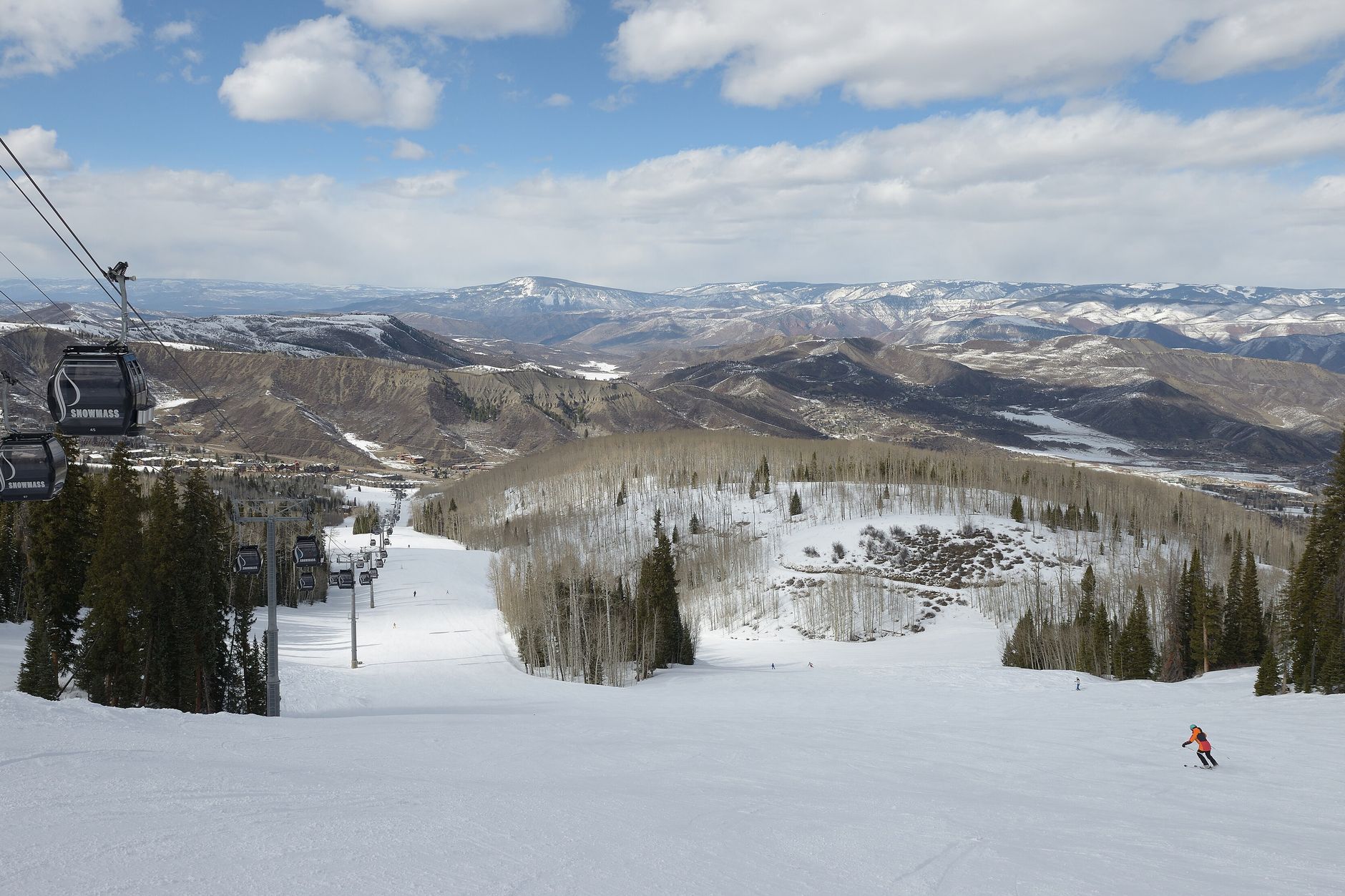
A purpose-built mountain village with ski-in, ski-out access and a quieter pace.
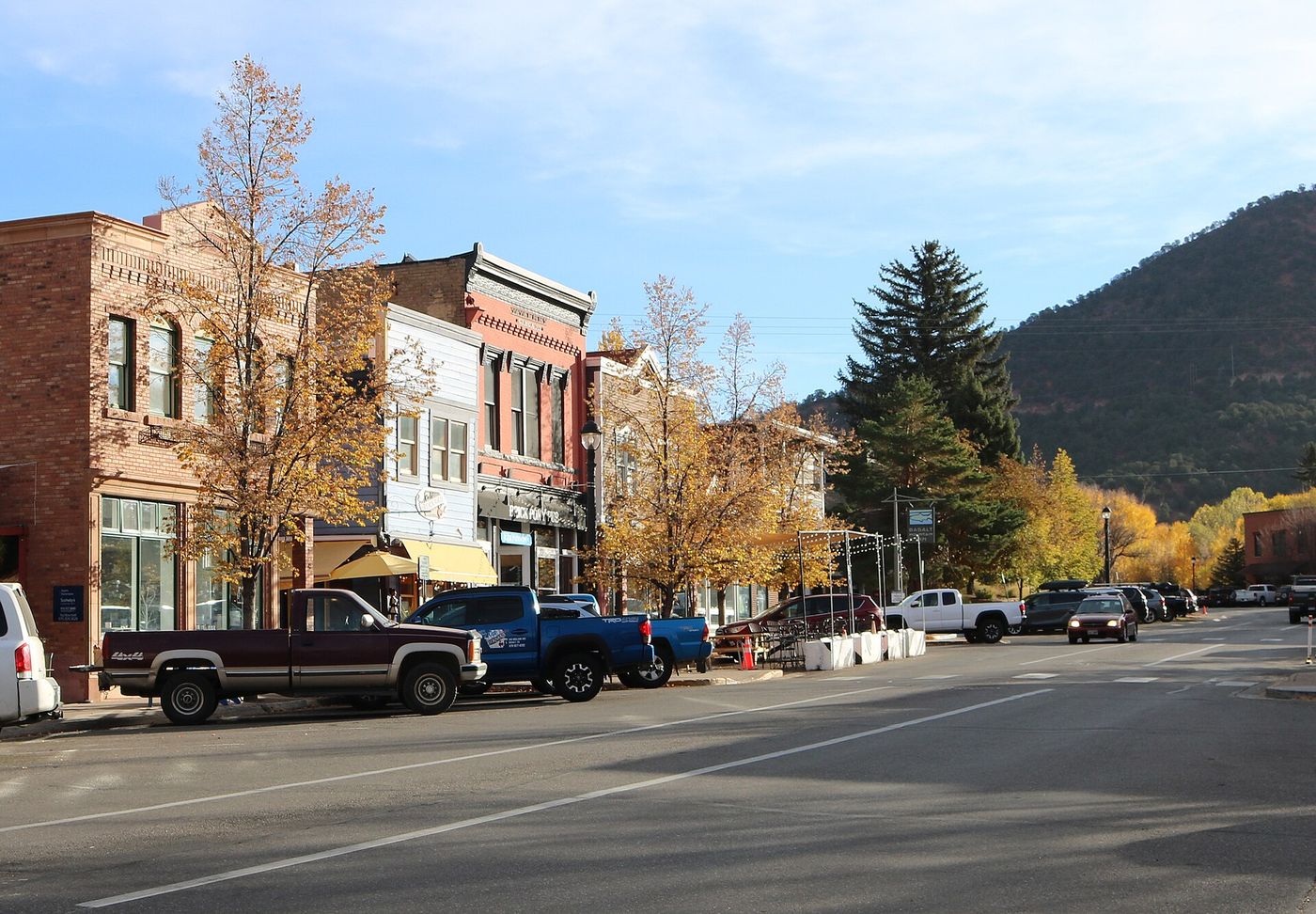
Two Gold Medal rivers, a walkable old town and the shortest commute to Aspen.

An arts and ranching town beneath Mount Sopris, with a lively Main Street.
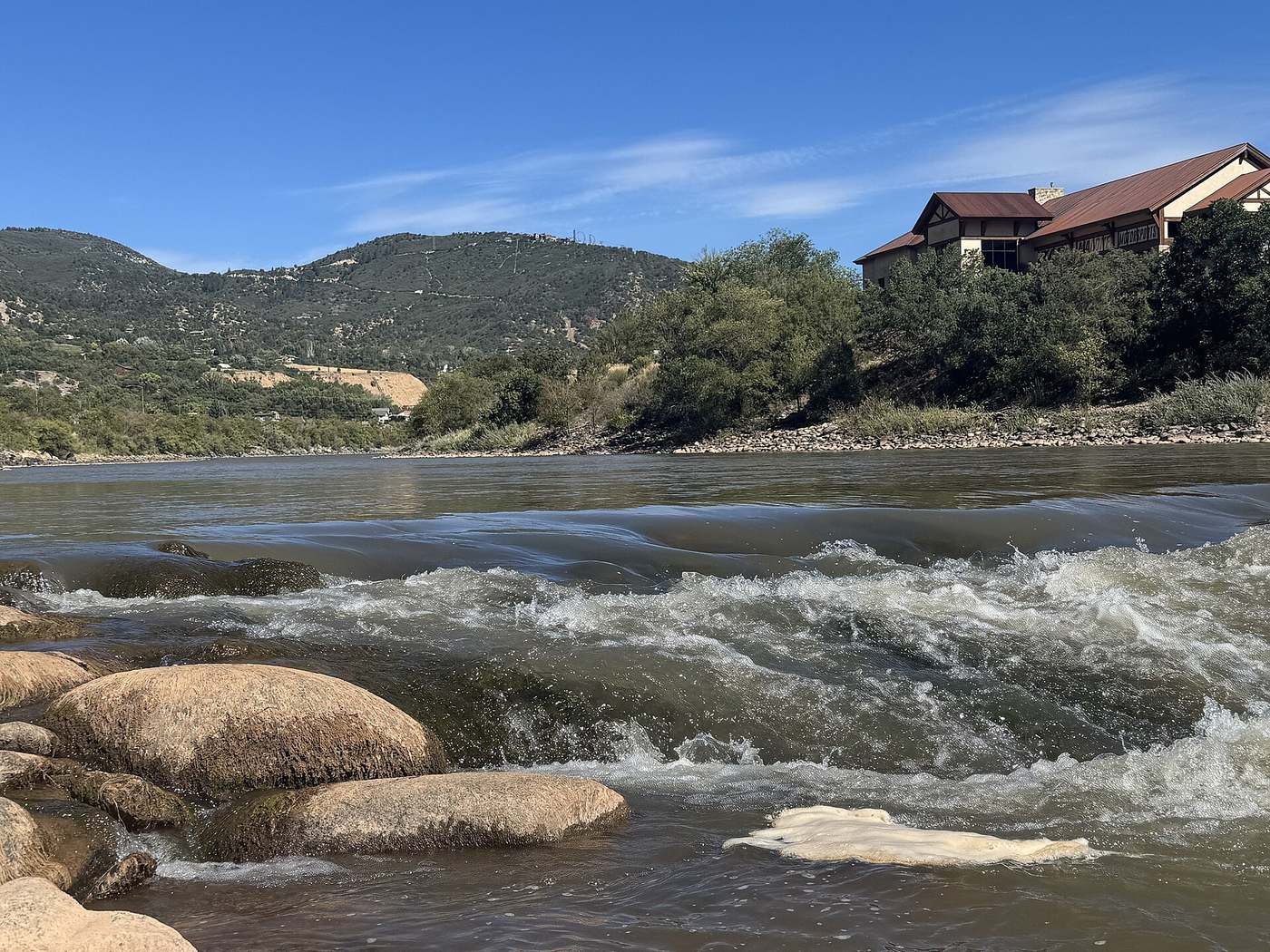
The valley's working hub, with hot springs, a hospital and I-70 access.
Ready when you are
Samuel Pickus is an Aspen real estate agent and Managing Broker of The Aspen Realtor LLC, helping buyers and sellers in Aspen, Snowmass Village, and beyond. Request a free home valuation built from local comps.
970-404-9542
sam.pickus@theaspenrealtor.com
CO License #100092960Resort & Second-Home Property Specialist (RSPS)
All information deemed reliable but not guaranteed. Listings information obtained through IDX (Internet Data Exchange). Information being provided is for personal, noncommercial use and may not be used for any purpose other than to identify prospective properties for purchasing.
© Copyright 2026 by Aspen/Glenwood Springs MLS, Inc. ALL RIGHTS RESERVED WORLDWIDE. No part of this publication may be reproduced, adapted, translated, stored in a retrieval system or transmitted in any form or by any means, electronic, mechanical, photocopying, recording, or otherwise, without the prior written consent of the Aspen/Glenwood Springs MLS, Inc.
Terms of Service & Privacy Policy | Cookie Policy | Cookie Preferences | Property Listings | Sitemap | Accessibility | Photo Credits
© Copyright 2026 The Aspen Realtor LLC. All Rights Reserved. CO License #100092960.
The Aspen Realtor LLC is committed to the letter and spirit of the U.S. policy for achieving equal housing opportunity. We do not discriminate on the basis of race, color, religion, sex, handicap, familial status, national origin, or any other protected class under Colorado law.