
Aspen
The historic town at the top of the valley, with the dining, culture and four ski mountains.

Roaring Fork Valley Guide
Photo by Barry Stevenson, CC BY-SA 4.0, via Wikimedia Commons
Quick answer
Basalt is a mid-valley town of about 4,000 people, 18 miles down-valley from Aspen, built where the Fryingpan River meets the Roaring Fork River. Both are Gold Medal trout rivers, and the town sits on the Eagle and Pitkin county line.
Every town in the Roaring Fork Valley has one defining feature. Aspen has the mountain. Carbondale has Sopris. Basalt has water, twice over: it’s the only town in the valley built at the meeting of two Gold Medal trout rivers, where the Fryingpan pours into the Roaring Fork. My family has been in this valley since the late 1970s, and in my 11+ years working every town in it, Basalt is the one I would describe to relocating buyers as the valley’s best-kept non-secret: the mid-valley sweet spot that solves the Aspen-versus-affordability equation better than people expect, at prices that reflect exactly how many people have figured that out. Here’s the honest version.
Basalt sits 18 miles down-valley from Aspen, about 20 to 25 minutes by car, with a population of around 4,000 at roughly 6,600 feet. The historic core grew up along Midland Avenue as a railroad town in the 1880s, and the red-brick downtown still wears that heritage well.
One piece of local trivia that turns out to matter practically: the Eagle-Pitkin county line runs through the Basalt area. Most of town and the mid-valley around it sit in Eagle County, with portions in Pitkin, and which side of the line a property falls on affects taxes, services, and county processes. It’s the kind of detail that never appears on a listing portal and occasionally appears on a closing statement, which is why I check it on day one of any Basalt search.
The town’s geography is a confluence in every sense. Highway 82 brings the valley through; the Fryingpan Road climbs east along its famous river to Ruedi Reservoir; and the mid-valley floor spreads out toward El Jebel and the mesas. Basalt is the valley’s hinge point, and living here means everything is close: Aspen for work or a show, Carbondale for First Friday, Glenwood for the big-box run, all within half an hour.
Basalt’s daily identity is the rivers. The Fryingpan below Ruedi Reservoir is a tailwater fishery with a national reputation, fishable essentially year-round, and the Roaring Fork through town carries the same Gold Medal designation. This is one of a handful of American towns where “I’m stepping out for an hour” reliably means waders. Fly shops anchor downtown the way galleries anchor Carbondale, and summer evenings on the water are the local religion.
The second thing to understand is that modern Basalt has two hearts. Old Town, along Midland Avenue, is the historic one: walkable, charming, with restaurants, the riverfront park, and the Sunday market in season. Willits Town Center, two miles down-valley, is the new one: a built-from-scratch district with the valley’s Whole Foods, contemporary condos and townhomes, medical offices, and TACAW (The Arts Campus at Willits), which has become one of the valley’s best performance venues. Some longtime locals still grumble about Willits; most of the valley quietly shops, eats, and sees shows there. The two-hearts structure shapes the real estate market more than any other fact about Basalt.
Honest tradeoffs: Basalt’s pricing has converged uncomfortably close to the upper valley’s in some segments, precisely because the location is so rational. The town’s growth debates (riverfront development, Willits buildout, mid-valley traffic) are perennial. And while the dining and culture punch above the town’s weight, Basalt is quieter than Carbondale and far quieter than Aspen; people who choose it are usually optimizing for rivers, commute math, and family logistics rather than nightlife.
The historic grid around Midland Avenue: older homes and cottages, newer infill, the riverfront within a short walk, and the kind of scarcity that makes every Old Town listing an event. Walkability to downtown and the water is the premium, and it’s earned.
The contemporary option: condos, townhomes, and live-above-retail units in a walkable new-urbanist district with groceries, dining, and TACAW downstairs. Willits is where Basalt’s lock-and-leave and low-maintenance buyers land, and the newer building stock (rare in this valley) is a genuine differentiator. HOA structures vary widely between buildings; comparing them is part of any Willits search I run.
The unincorporated mid-valley community just down-valley of Willits, anchored by Crown Mountain Park, the valley’s biggest recreation complex. El Jebel offers some of the mid-valley’s most attainable single-family and townhome inventory, and its location is quietly excellent: the geographic center of the valley, equidistant from nearly everything.
Basalt’s established residential neighborhoods south of the highway and along the hillsides: single-family homes, many with river or mountain outlooks, in the school-walkable zone that families target. Inventory turns over slowly; these are neighborhoods people stay in.
The corridor between Basalt and Carbondale along the Roaring Fork: a mix of established subdivisions, river-adjacent properties, and the historic Emma area’s open land. Mid-valley value with both towns ten minutes away.
Up the red-rock canyon along the Fryingpan: river-frontage homes, cabins, and properties scattered toward Ruedi Reservoir, where the valley keeps its sailboats. This is lifestyle real estate in the purest sense, world-class water out the front door, with the tradeoffs of canyon living (a winding road, fewer neighbors, and winter shade in stretches) that buyers should experience in person, ideally in both July and January.
The mesa above the mid-valley, shared between the Basalt/El Jebel and Carbondale sides: acreage, horse properties, big views, county living. I covered it in depth in the Carbondale guide: Living in Carbondale.
Live numbers belong in a snapshot, updated from MLS data rather than baked into an evergreen page:
Market snapshot
As of . Source: Aspen/Glenwood Springs MLS (AGMLS)
All information deemed reliable but not guaranteed. Listings information obtained through IDX (Internet Data Exchange). Information being provided is for personal, noncommercial use and may not be used for any purpose other than to identify prospective properties for purchasing. © Copyright 2026 by Aspen/Glenwood Springs MLS, Inc. ALL RIGHTS RESERVED WORLDWIDE. No part of this publication may be reproduced, adapted, translated, stored in a retrieval system or transmitted in any form or by any means, electronic, mechanical, photocopying, recording, or otherwise, without the prior written consent of the Aspen/Glenwood Springs MLS, Inc.
What stays true across cycles: Basalt is the valley’s location-arbitrage market, and the arbitrage has been narrowing for years. The structural drivers don’t change: the shortest down-valley commute to Aspen, two rivers, the valley’s newest housing stock at Willits, and the mid-valley’s family infrastructure. The market splits along the two-hearts line: Old Town trades on charm and scarcity, Willits trades on newness and convenience, and they can move differently in the same quarter. River frontage carries a permanent premium anywhere it appears. And the county-line detail above is worth repeating: two similar properties a mile apart can sit in different counties with different tax bills.
Basalt’s golf story is one club, and it might be the most Basalt institution imaginable: the Roaring Fork Club, a private club founded in 1999 that is equal parts golf club and fly-fishing club, which tells you everything about this town’s priorities.
The course is a Jack Nicklaus Signature design, par 72 at just over 7,100 yards, routed along benches on both sides of the Roaring Fork with five holes playing on or near the river and Spring Creek, a double green shared by two holes, and one tee shot famously played over the old railroad grade. It ranks among the top courses in Colorado year after year. The other half of the club is the water: private fishing access on legendary stretches, a program serious anglers join the club specifically for, plus dining, fitness, and the club’s signature cabins.
For buyers, the Roaring Fork Club is also one of the valley’s distinctive property categories: club cabins and homes that pair Nicklaus golf and private water with a location 20 minutes from Aspen. As with every club community in this valley, membership structures and what conveys with a purchase are the first questions, and they’re questions I will walk buyers through before anyone falls in love with a fairway view.
The honest gradient: Basalt sits above Carbondale and below the upper valley, and in premium segments (river frontage, Old Town, the club) it competes with up-valley pricing outright. The offsets are real: a 20-minute Aspen commute instead of 40, Eagle County tax treatment for much of town, newer housing stock options the rest of the valley lacks, and daily-life infrastructure (groceries, medical, recreation) that means you stop driving for errands. For the comparisons: Living in Aspen · Living in Snowmass Village · Living in Carbondale · Living in Glenwood Springs · Living in New Castle.
Basalt’s location is its superpower: roughly 20-25 minutes to Aspen, 10 to Carbondale, 25 to Glenwood Springs. RFTA’s bus rapid transit serves the Highway 82 corridor with mid-valley stations, the Rio Grande Trail runs right through for car-free commuting, and the Aspen airport (ASE) is about 15 minutes up-valley, closer to Basalt than many Aspen addresses. Eagle County’s airport (EGE) is the weather-day alternative roughly an hour away.
Basalt’s public schools (elementary, middle, and high school) belong to the Roaring Fork School District, with campuses in and around town, and the mid-valley location puts the valley’s charter and independent options within easy reach. My standing advice to relocating families: visit campuses and talk to schools directly, and I’m glad to make introductions; these decisions deserve firsthand research rather than internet rankings.
Ruedi Reservoir is the valley’s summer lake life: sailing, paddleboarding, and camping 30 minutes up the Fryingpan. Basalt Mountain and the Arbaney-Kittle trail provide the local vertical. Crown Mountain Park in El Jebel hosts everything from youth sports to concerts. TACAW’s calendar brings legitimate touring acts to the mid-valley. And the Sunday market, the riverfront park, and a compact but real downtown dining scene round out a town that does daily life exceptionally well.
The framing I offer relocating buyers: Basalt is the optimizer’s town. If you ran the valley through a spreadsheet (commute minutes, housing age, river access, school logistics, grocery distance), Basalt wins more cells than anywhere else, which is precisely why its prices have climbed. Aspen and Snowmass are the resort tier; Carbondale is the culture-and-community pick; Glenwood and New Castle are the value end. Basalt is what you choose when the honest answer to “what do you want” is “a bit of everything, and a river.”
Quick answers
For mid-valley life, it's hard to beat: two Gold Medal rivers, the shortest down-valley commute to Aspen, newer housing options at Willits, and family infrastructure in every direction. The honest tradeoffs are pricing that has risen to match the location's logic and a quieter social scene than Carbondale or Aspen.
They're optimizing different things. Basalt wins on commute math, rivers, and newer housing stock; Carbondale wins on arts, community fabric, and dollars-per-square-foot. Plenty of families tour both and decide based on a specific house rather than the town, which is the right way to do it. Full Carbondale picture: Living in Carbondale.
About 18 miles, or 20 to 25 minutes by car, with RFTA bus rapid transit along the corridor and the airport roughly 15 minutes up-valley. It's the shortest commute of any down-valley town.
The town sits at the confluence of two Gold Medal rivers: the Roaring Fork and the Fryingpan, whose tailwater below Ruedi Reservoir holds famously large trout and fishes nearly year-round. It's one of the highest concentrations of blue-ribbon water of any town in America, and the local culture reflects it.
One growing mid-valley community in three pieces: Old Town Basalt is the historic riverfront core, Willits Town Center is the newer walkable district two miles down-valley (Whole Foods, TACAW, contemporary condos), and El Jebel is the unincorporated area beyond it, anchored by Crown Mountain Park, with some of the mid-valley's most attainable inventory. Daily life flows freely among all three.
From the journal
Compare the valley
The historic town at the top of the valley, with the dining, culture and four ski mountains.
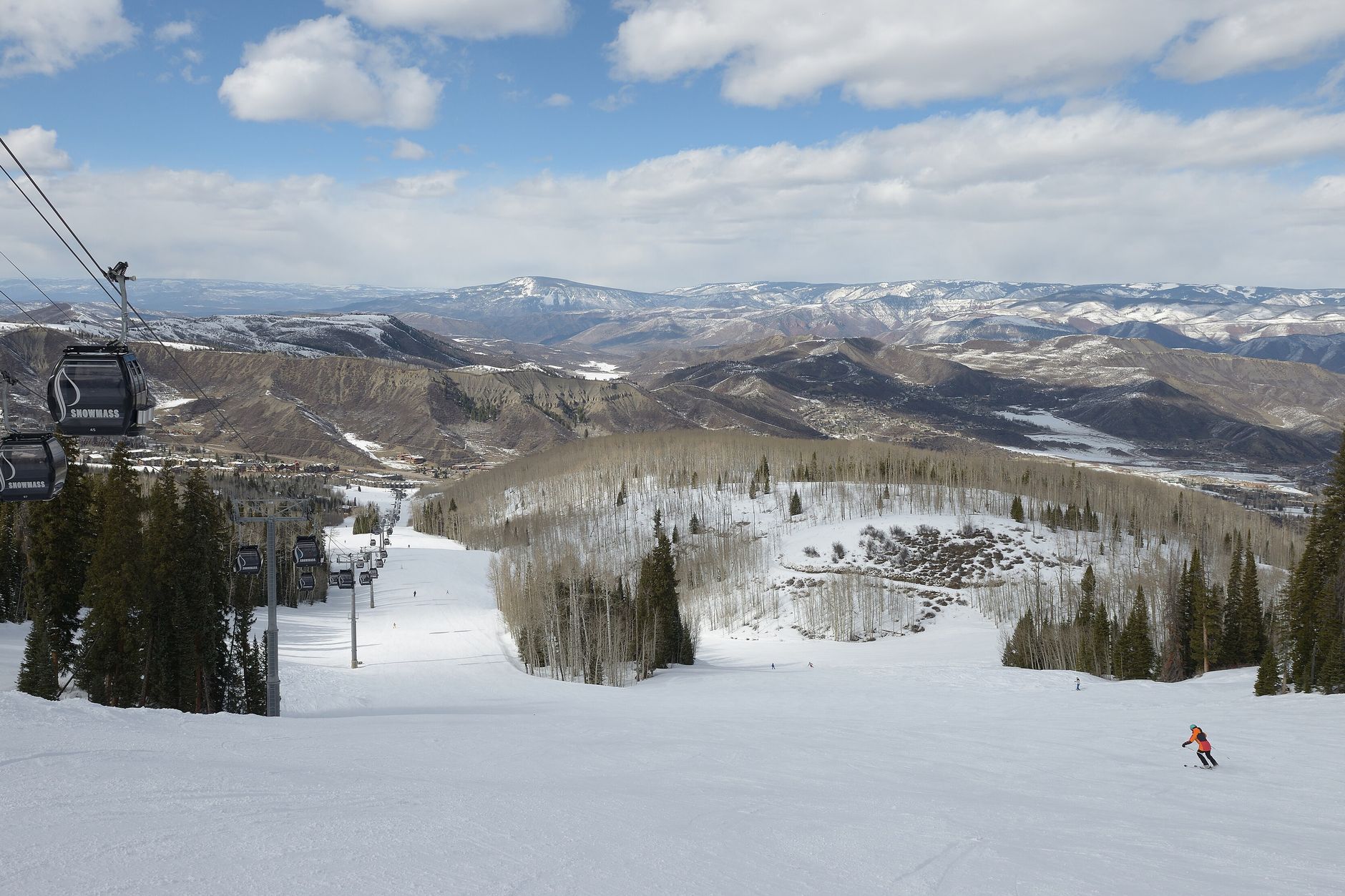
A purpose-built mountain village with ski-in, ski-out access and a quieter pace.

An arts and ranching town beneath Mount Sopris, with a lively Main Street.
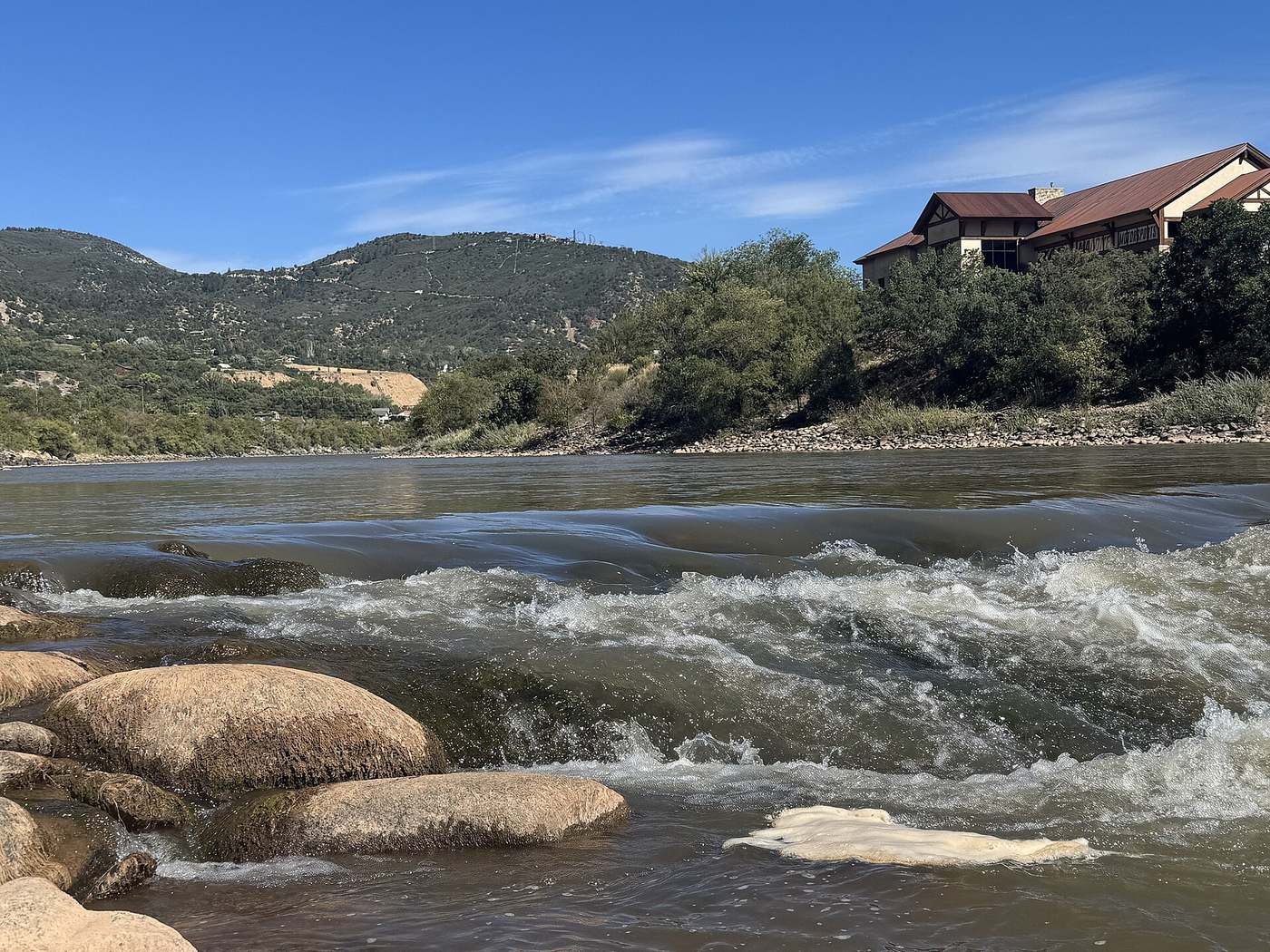
The valley's working hub, with hot springs, a hospital and I-70 access.

A former coal town on the Colorado River with newer homes and a golf community.
Ready when you are
Samuel Pickus is an Aspen real estate agent and Managing Broker of The Aspen Realtor LLC, helping buyers and sellers in Aspen, Snowmass Village, and beyond. Request a free home valuation built from local comps.
970-404-9542
sam.pickus@theaspenrealtor.com
CO License #100092960Resort & Second-Home Property Specialist (RSPS)
All information deemed reliable but not guaranteed. Listings information obtained through IDX (Internet Data Exchange). Information being provided is for personal, noncommercial use and may not be used for any purpose other than to identify prospective properties for purchasing.
© Copyright 2026 by Aspen/Glenwood Springs MLS, Inc. ALL RIGHTS RESERVED WORLDWIDE. No part of this publication may be reproduced, adapted, translated, stored in a retrieval system or transmitted in any form or by any means, electronic, mechanical, photocopying, recording, or otherwise, without the prior written consent of the Aspen/Glenwood Springs MLS, Inc.
Terms of Service & Privacy Policy | Cookie Policy | Cookie Preferences | Property Listings | Sitemap | Accessibility | Photo Credits
© Copyright 2026 The Aspen Realtor LLC. All Rights Reserved. CO License #100092960.
The Aspen Realtor LLC is committed to the letter and spirit of the U.S. policy for achieving equal housing opportunity. We do not discriminate on the basis of race, color, religion, sex, handicap, familial status, national origin, or any other protected class under Colorado law.