Yes, you can short term rent in the City of Aspen, but you need a city STR permit plus a business license, and here is the part that catches buyers off guard: an Aspen short term rental permit belongs to the person who holds it, not to the property. It does not come with the house when you close. If a listing advertises rental history, that history was produced under the seller’s permit, and you have to qualify for your own.
There are four permit types, and the one most second home and investment buyers need, the Classic permit, is capped by zone district, with a waitlist in zones where the cap is full, according to the City of Aspen short term rental program. Nine miles down the road, Snowmass Village runs a far simpler system with no caps and no rental history requirement. Same valley, two very different answers.
None of this is legal or tax advice. Read the city’s program guidelines and talk to your own attorney or accountant. What I can do is tell you which rulebook applies to a specific address before you write the offer.
Four permit types, and the one most buyers need
The city sorts short term rentals into four categories, and the category changes both your night limit and your tax rate.
- Lodging Exempt (STR-LE): lodges and condo hotels.
- Owner Occupied (STR-OO): a documented primary residence, limited to 120 rental nights a year.
- Classic (STR-C): everything else, no annual night limit, but capped by zone district.
- Temporary (STR-T): valid 90 days and not renewable, so a new owner can honor reservations the seller already took.
The Owner Occupied permit asks for two documents showing the permit address is your primary residence, such as a driver’s license, vehicle registration, voter registration or a current tax return issued at that address. An LLC with no named natural person is not accepted, which matters if you were planning to take title in an entity.
Your zone district decides whether a Classic permit exists
This is the piece most people miss. Classic permits are capped per zone district. The published caps include 190 in R/MF, 81 in R-6, 47 in R-15, 39 in MU, 12 each in R-15B and R/MFA, 9 in AH, 8 in R-15A, 2 each in RR, SCI and SKI, and a single permit each in R-3, R-30 and NC.
There is no cap at all in the Commercial (C-1), Commercial Core (CC), Lodge (L), Commercial Lodge (CL) and Lodge Overlay districts, which is the downtown and lodging area. That is the practical reason a condo in the core and a condo a few blocks out can have completely different rental futures, even at a similar price. When you are comparing two units, the zone line between them can be worth more than the finishes. Browse current Aspen homes for sale and send me the ones you like, and I will tell you which zone each one sits in.
The R/MF waitlist, and how it moves
R/MF, the dense residential multifamily district, is the pinch point. City staff reported to the Aspen Daily News a waitlist of 55 applicants in that zone, ten of whom have been waiting since 2022, with 83 percent of the list in the area east of the downtown core.
The list does move. Staff said that since October 2025 roughly one permit per month has been offered to the top applicant on the R/MF list, and a waitlisted applicant has 14 days to respond to an offer or be removed. The city’s own files do not update in real time, so treat any number you read, including that one, as a snapshot and check the posted STR-C Permit Availability Summary for the zone you care about.
An Aspen short term rental permit does not come with the house
Permits are not transferable in the ordinary sense. Council has worked on the edges of that rule, and the November 2025 amendments allowed limited transfer in a death or divorce under legal documents, and created the Temporary permit so a new owner can honor bookings the previous owner already took.
The same amendments dropped the HOA affidavit for renewals, dropped the mailing notice for new applications in uncapped zones, and put the burden on rental platforms to require the permit number in the ad and remove non compliant listings. HOA rules still sit on top of city rules, so a building can say no even when the city would say yes.
What the Aspen short term rental permit costs, and what guests pay in tax
Annual permit fees are $394 for Classic, Owner Occupied and Temporary permits, and $148 per unit for Lodging Exempt, per the city program page. The bigger number is the tax your guest pays. Aggregate 2026 nightly rates run 12.35 percent at a traditional lodge, 17.35 percent for Owner Occupied and Lodging Exempt, and 22.35 percent for Classic.
That spread is worth modeling before you buy, because the permit type you can actually obtain sets the rate on every night you book.
Renewals, and the rule that quietly ends a permit
Renewal is a date on the calendar, not a formality. The renewal window runs November 15, 2026 through January 14, 2027 at 5 p.m. MST, now in the Localgov platform that replaced MuniRevs and GovOS on June 1, 2026.
There is also an abandonment rule. A permit that files a full year of zero tax returns is treated as abandoned under Chapter 26.530.030, and long term rentals of 30 days or more do not count as short term occupancy for that test. An owner who leases the place for a season and never takes a nightly booking can lose the permit.
The Snowmass Village short term rental permit is a simpler system
Snowmass Village charges $400 per unit per year plus an $85 business license, with no caps, no rental history requirement, all permits now expiring April 30, and trespassing added as a major violation to stop guests cutting across private land to reach the ski area.
The town does regulate occupancy and response time: two people per legal bedroom plus four for units with four or more bedrooms, two per bedroom plus two for three bedrooms or fewer, children five and under not counted, and a designated local owner representative available 24 hours a day who can respond to a call within 60 minutes. The Aspen Times has reported 1,698 permits in town, about 42.25 percent of residential units. Your HOA still has the final word, so verify the documents. See Snowmass Village homes for sale if the simpler rulebook is what you are after.
Outside both town limits: unincorporated Pitkin County
Homes outside both towns follow a third rulebook. Pitkin County sets a four night minimum, a 120 night annual maximum, a license fee calculated as a percentage of the assessor’s market value, and a requirement to show rental history between May 11, 2017 and May 11, 2022. The county has been reconsidering that history requirement, with commissioners and a consultant study discussing geographic limits and an easier owner occupied license instead, as reported by the Aspen Times.
Frequently asked questions about Aspen short term rental permits
Do you need a permit to short term rent in Aspen?
Yes. The City of Aspen requires a short term rental permit and a business license, and the permit type depends on whether the home is a lodge unit, your documented primary residence, or an investment or second home.
Does an Aspen short term rental permit transfer when the property sells?
No, not in the normal course. The permit belongs to the permittee, not the property, with limited exceptions allowed in a death or divorce under legal documents. A new owner can apply for a 90 day Temporary permit to honor bookings the seller already took.
How much is the short term rental tax in Aspen?
Aggregate 2026 nightly rates are 12.35 percent at a traditional lodge, 17.35 percent for Owner Occupied and Lodging Exempt permits, and 22.35 percent for Classic permits, per the city’s lodging and short term rental tax page.
Do you need a permit to rent out a condo in Snowmass Village?
Yes, a town permit at $400 per unit per year plus an $85 business license. There are no caps and no rental history requirement, but occupancy limits, the 24/7 local representative rule and your HOA documents all apply.
Let’s check the address before you write the offer
Before you commit, I will pull the property’s zone district, the current Classic permit availability and waitlist status for that zone, and what permit type the seller actually holds, so the rental story in the listing is not a guess. For context, AGMLS data as of today shows 138 active Aspen residential listings at a median list price of $8,974,500 and 86 active Snowmass Village listings at a median of $4,222,500, and the rental rules vary unit by unit across both.
You can search the full map of current listings on your own time, and then ask me before you write the offer. Send me the address and I will check it.
One email from me every Saturday
The Aspen and Snowmass Village numbers for the week, what I am seeing on the ground, and one thing worth doing. No spam, and you can unsubscribe any time.
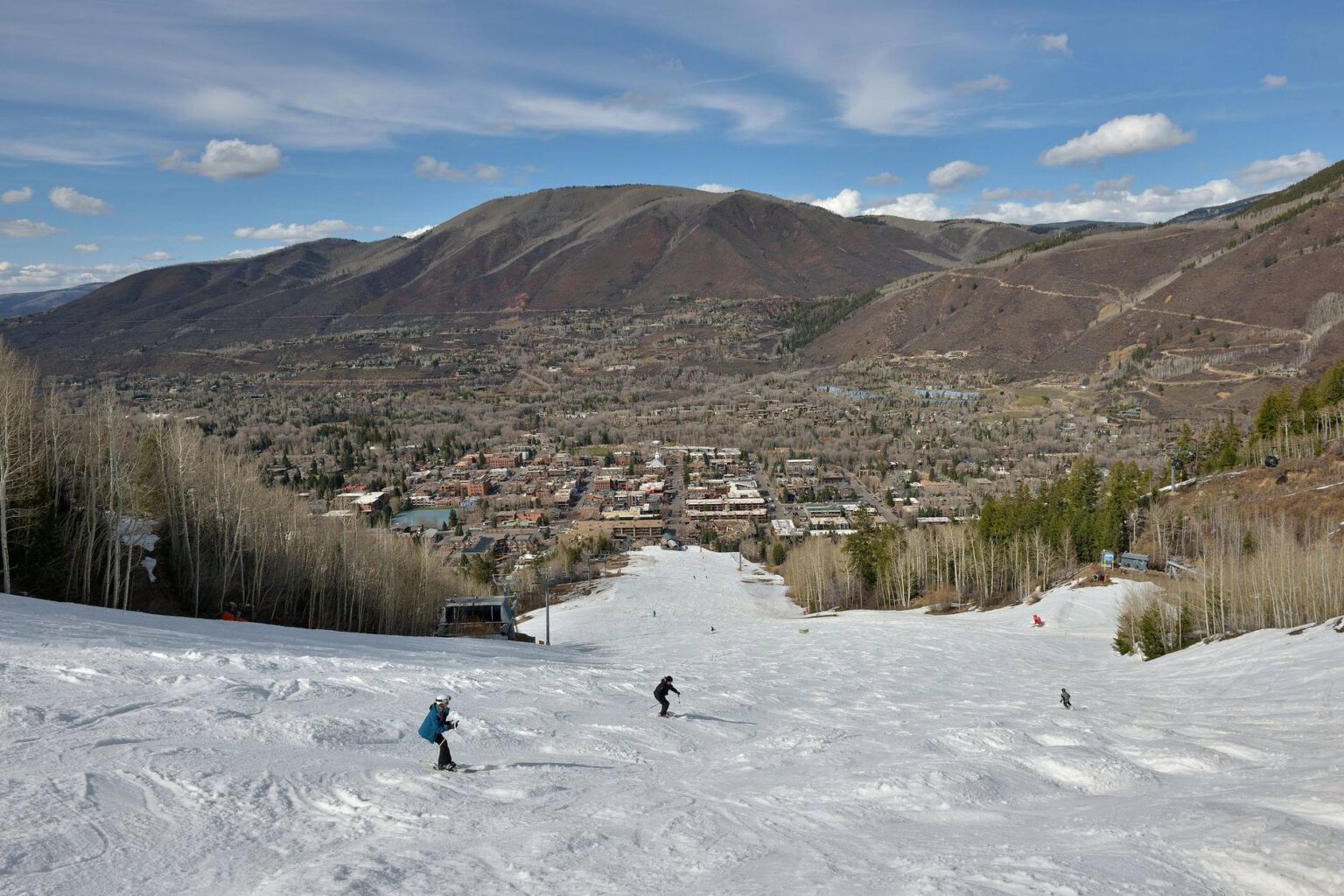
Photo: “Aspen south Galena street” by Wolfgang Moroder, Wikimedia Commons, CC BY-SA 3.0.